
Call us now :08045801296
 Send Inquiry
 Send Inquiry
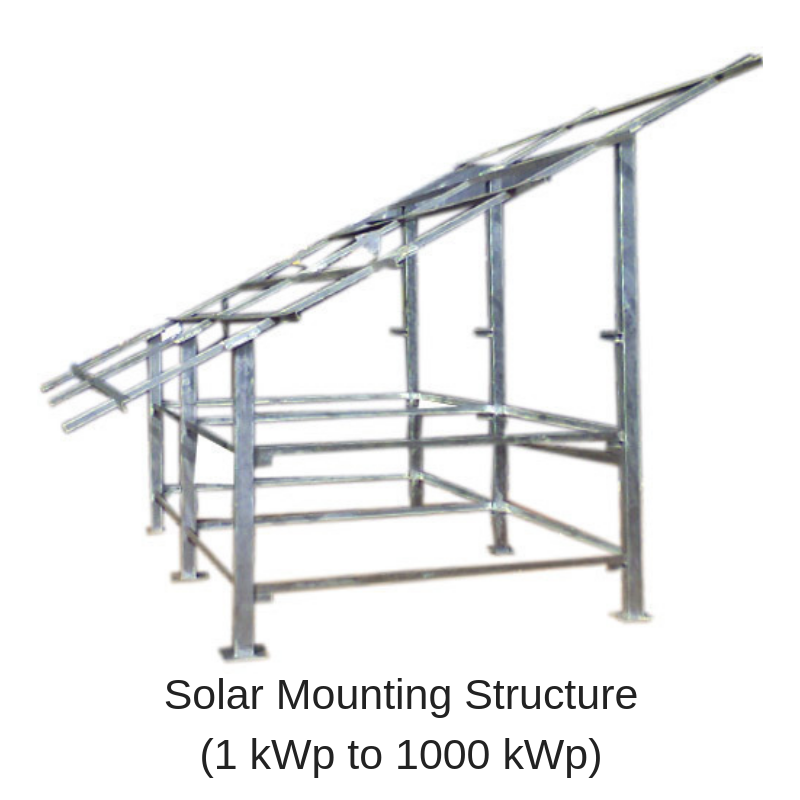
Solar Mounting Structures
Price 2500 INR/ Set
MOQ : 10 Kilowatts
Solar Mounting Structures Specification
- Maintenance Type
- Low Maintenance
- Features
- Corrosion Resistant, Durable, High Wind and Snow Load Resistance, Easy Installation, Customizable Design
- Product Type
- Solar Mounting Structures
- Material
- Galvanized Iron
- Operating Temperature
- -40C to +85C
- Size
- Customizable as per project requirement
- Dimension (L*W*H)
- As per site layout and module arrangement
- Color
- Grey
- Weight
- Depends on configuration and design
- Application
- Solar Panel Installation in Residential, Commercial, Industrial, and Utility Scale Projects
- Type Of Technology
- Fixed Tilt / Adjustable Tilt Structure
- Installation Type
- Ground Mounted / Rooftop Mounted
- Packing Type
- Knock Down Packing for Easy Transportation
- Compliance Standards
- IS 2062, IS 4759, ASTM A123, IEC 61215
- Fastener Material
- Stainless Steel
- Environmental Resistance
- UV Resistant, Compatible with Harsh Environments
- Ground Clearance
- Customizable as per site
- Structure Design
- Modular, Pre-fabricated, Suitable for all module sizes
- Fire Resistance
- Yes
- Wind Load Capacity
- Up to 180 km/h or as per project location
- Surface Treatment
- Hot Dip Galvanized (Average 80 Microns) or Anodized
- Service Life
- Up to 25 Years
- Module Orientation
- Portrait / Landscape
Solar Mounting Structures Trade Information
- Minimum Order Quantity
- 10 Kilowatts
- FOB Port
- New Delhi
- Supply Ability
- 5000 Kilowatts Per Week
- Delivery Time
- 1 Week
- Main Export Market(s)
- Western Europe, Australia, North America, South America, Eastern Europe, Middle East, Africa, Central America, Asia
- Main Domestic Market
- All India
- Certifications
- MNRE, ISMC, IS, IEC,
Solar Mounting Structures About
Mounting structures are the backbone of a solar power plant as they provide support to modules. These support structures raise solar panels at appropriate angles to ensure that they receive maximum solar irradiation.
Specification
| Usage/Application | Solar Panels are installed in these Structures |
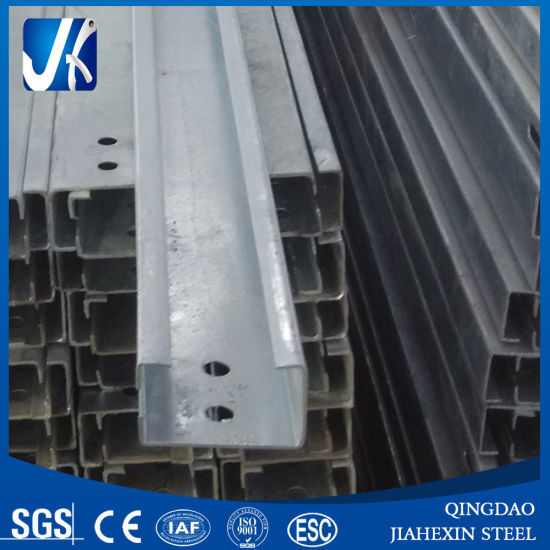
| Frame Material | Galvanized Iron |
| Thickness | 3mm |
| Material | Steel |
| Design Type | C Channel |
Robust Engineering for Harsh Environments
Designed for reliability, our solar mounting structures excel in hostile climates, thanks to UV resistance, fire resistance, and corrosion-proof finishes. Their durable construction ensures performance from -40C to +85C, fulfilling the needs of projects in diverse geographic zones.
Universal Compatibility and Customization
Our systems support both portrait and landscape module orientations, adjustable or fixed tilts, and variable ground clearances. Fully customizable by size and configuration, they are suitable for all project types, from residential rooftops to vast utility-scale solar farms.
Simplified Logistics and Installation
With knockdown packing for efficient transportation and pre-fabricated modular designs, our mounting systems streamline on-site assembly. Low-maintenance requirements further reduce long-term operational costs and maximize uptime for solar installations.
FAQ's of Solar Mounting Structures:
Q: How does the mounting structure ensure stability under high wind loads?
A: The structure is engineered and tested to withstand wind speeds up to 180 km/h or as required by the specific project site. Its robust, modular design, coupled with secure stainless steel fasteners and high-quality galvanized material, ensures stable and safe installation even in challenging weather conditions.Q: What customization options are available for module orientation and ground clearance?
A: You can opt for either portrait or landscape orientation to suit your solar module layout. The ground clearance and dimensions are fully customizable to match the site conditions, maximizing energy capture and ensuring compliance with local requirements.Q: When is it advisable to use a hot dip galvanized finish versus anodized treatment?
A: Hot dip galvanization (average 80 microns) is generally used for superior corrosion protection, especially in coastal or industrial environments. Anodized treatments may be preferred for aesthetic requirements or specific non-ferrous applications. Selection depends on your project's environmental exposure and functional needs.Q: Where can these solar mounting structures be installed?
A: They are suitable for a wide range of applications, including residential rooftops, commercial buildings, industrial facilities, and large-scale utility solar plants. The structures are designed for both ground-mounted and rooftop-mounted installations.Q: What is the installation process, and how does the knockdown packing benefit logistics?
A: The modular, pre-fabricated parts arrive in knockdown packing, allowing easy transport and handling. On-site, the components are simply assembled with stainless steel fasteners, reducing installation time and minimizing labor costs compared to traditional structures.Q: How does the structure's design contribute to its long service life and low maintenance?
A: Each frame is built from galvanized iron with corrosion-resistant treatments, and uses stainless steel fasteners, offering up to 25 years of reliable service. The robust, modular build and quality materials require minimal maintenance, ensuring sustained performance in harsh environments.Q: What are the main benefits of choosing this modular solar mounting structure for my project?
A: You gain a durable, customizable system with high resistance to wind, snow, UV radiation, and fire. It's compliant with key standards (IS 2062, IS 4759, ASTM A123, IEC 61215), easy to transport and install, and designed to adapt flexibly to any solar panel arrangement-delivering long-term reliability and efficiency.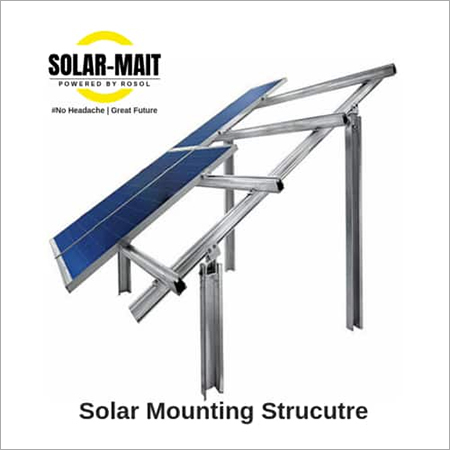



Tell us about your requirement

Price:
Quantity
Select Unit
- 50
- 100
- 200
- 250
- 500
- 1000+
Additional detail
Mobile number
Email


 Send Inquiry
Our Products

Khasra No. 32/22, Plot No. 14-15, Najagarh Road, Ranaji Enclave,New Delhi - 110043, India

Mr Lakhan Rai
(Managing Director)
Mobile :08045801296
 Send Inquiry
 Send SMS
Developed and Managed by Infocom Network Private Limited.
